Understanding Forklifts – Safety, Risks, and Equipment
Most people in the industry think they understand forklifts.
They know how to drive them. They have worked around them for years. They have seen enough to feel comfortable.
But that confidence is often built on a narrow slice of experience, one environment, one type of truck, one set of routines. The real picture is much broader.
Forklifts sit inside a much larger materials handling ecosystem. To understand them properly, you need to look beyond the controls and the cab. You need to understand the equipment, the systems, the history, and the recurring patterns that shape how forklifts are used every day.
That is what this part of the site is here to do.
Key Takeaways
- Forklifts operate within wider material handling systems.
- Equipment, loads, and environments all influence operational risk.
- Industry assumptions are often based on habit rather than evidence.
- Understanding incident patterns helps identify risk earlier.
- Knowledge gaps create blind spots that affect safety and decision-making.
- Understanding the bigger picture reduces reliance on guesswork.
Understanding the Bigger Picture
Most people only experience forklifts within their own workplace, which means their understanding is shaped by one environment and one way of working. This section widens that view. It looks at how different equipment types, workplace layouts, industry practices, and operational systems all influence how forklifts are used and how risks develop.
It’s Not Just a Truck
A forklift is not a standalone machine. It is one part of a wider operation involving pallets, loads, packaging, racking, traffic routes, and storage systems. None of these elements exist in isolation, they influence each other constantly.
If you only look at the truck, you miss the operational reality.
Why are pallets built the way they are? Why do certain loads behave unpredictably? Why do some workplaces generate more risk than others?
These are not side notes. They are fundamental to understanding how forklifts actually function in real environments.
The Industry Runs on Assumptions
Spend enough time around forklifts and you will hear the same phrases repeated:
“That is how we have always done it.”
“That will be fine.”
“It is close enough.”
These are rarely based on evidence; they are usually based on habit. And habits reflect what people have got away with, not what is safest or most effective.
That is why myths persist. Some are harmless misunderstandings. Others directly affect safety, equipment use, and decision making.
This section challenges those assumptions, not for the sake of it, but because real understanding starts with questioning what people think they already know.
History Explains More Than You Think
It is easy to treat the history of forklifts and pallets as background trivia. It is not.
Modern equipment design is the result of decades of evolution. Standard pallet sizes, load configurations, aisle widths, and warehouse layouts did not appear by chance, they were created to solve specific problems.
Once you understand that evolution, a lot of things click into place.
Why certain systems became standard.
Why some practices work better than others.
Why changing one part of a process can create knock on effects elsewhere.
History is not decoration. It is context that helps you understand why the industry looks the way it does today.
When Things Go Wrong, They Go Wrong in Predictable Ways
Look at incident reports across the industry and a clear pattern emerges.
Different companies. Different environments. Very similar outcomes.
Recurring types of accidents.
Recurring contributing factors.
Recurring failures in judgement or process.
These are not coincidences; they are predictable consequences of how people interact with equipment and environments.
Understanding these patterns is one of the most valuable things you can do. It shifts you from reacting to incidents to recognising risk before it develops.
These patterns are shaped by the equipment being used, the environment it operates in, and the systems surrounding it. Once you see them, you cannot unsee them.

Equipment Is Only Part of the Story
Most people think of forklifts as a single category of machine. They are not.
Different truck types, attachments and accessories, fuel systems, and battery technologies all exist for specific reasons, and each brings its own operational considerations and risks.
The same applies to pallets, packaging, and load markings. They are often treated as background detail, but they directly influence how loads behave, how they should be handled, and how safely operations run.
These details are not minor. They shape real world outcomes.
The Industry Has Its Own Language
Every industry develops its own shorthand, and materials handling is no exception. Acronyms, technical terms, and everyday phrases help people communicate quickly, but only when everyone understands them the same way.
Misunderstandings happen when people assume shared knowledge that is not actually shared.
Clear communication is essential in a safety critical environment. If terminology is not understood, mistakes follow.
That is why this section includes a breakdown of common industry language, not to complicate things, but to remove ambiguity.
Knowledge Gaps Create Risk
Most workplace incidents are not caused by people deliberately taking risks. They are caused by people not fully understanding the risks that already exist.
People know what they have been shown. They know what they have experienced. But outside of that, there are gaps.
Gaps in understanding equipment.
Gaps in recognising risk.
Gaps in knowing how incidents actually happen.
These gaps do not always show up immediately. But over time, they lead to poor decisions, bad habits, and avoidable incidents.
This section exists to close those gaps.
Why This Section Matters
You can operate a forklift without understanding the wider industry. Plenty of people do.
But if you want to do it properly, if you want to reduce risk, make better decisions, and run safer operations, you need more than basic knowledge.
You need the full picture.
The forklift knowledge section brings that picture together. It explores the equipment, systems, history, and practical knowledge that are often overlooked, helping you understand how the wider forklift industry fits together.
When you understand how equipment, systems, history, and behaviour all fit together, you stop relying on guesswork. And in this industry, that is the difference between managing risk and being exposed to it.
Written by Clinton Mitchell, ITSSAR-Accredited Instructor
Last updated: May 2026
Frequently Asked Questions
Latest Articles
The articles linked below explore the individual laws, duties, and enforcement powers discussed throughout this guide in more detail.
-
Forklift Facts vs. Fiction: 4 Common Myths Debunked
Common forklift myths can lead to unsafe decisions and legal misunderstandings. Discover the facts behind four widely repeated assumptions.

Training Courses We Deliver
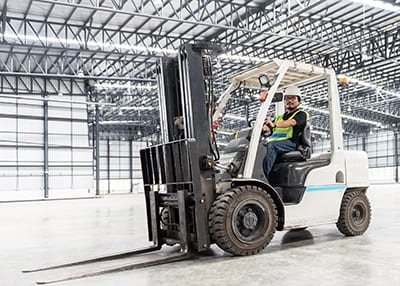
Counterbalance Forklift Training
Training for the most widely used forklift type, covering safe operation, pre-use inspections, load handling, and manoeuvring in real workplace conditions.
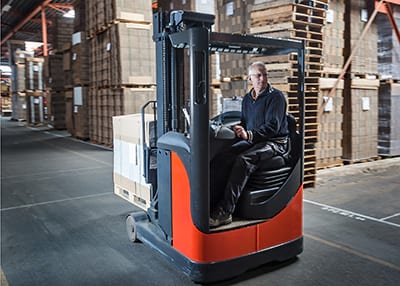
Reach Truck Training
Training focused on warehouse operations, including safe manoeuvring, pallet placement in racking, and working efficiently in narrow aisles.

Telehandler Training
Training for telehandlers used in construction and industrial settings, covering safe operation, load placement, stability, and working safely on uneven ground.
Looking for something else? View all our forklift training courses.
Forklift Training That Stands Up to Scrutiny
Structured, workplace-based training designed around real operational conditions.

On-Site, Relevant Training
Delivered at your premises using your equipment and working environment, helping operators develop practical skills in real workplace conditions.

ITSSAR-Accredited Standards
Training delivered to recognised ITSSAR standards, helping employers maintain properly structured workplace training and clear operator records.

Clear, Practical Instruction
Focused on safe working practices, operator understanding, and practical workplace operation - not just passing a test or ticking boxes.
Trusted by Businesses Across Hampshire and the South

Calm and approachable trainer. Clearly very experienced. Helped make it comfortable to learn.
AC, Fareham, Hampshire
I enjoyed the structure of the lessons. It made it easy to follow and remember.
HB, Lee-on-the-Solent, Hampshire
Want to see more? Check out our Google reviews.
Training Built Around Real Workplace Operations
On-site forklift training delivered at your premises using your equipment and working environment - designed around real workplace operations, not just passing a test.
We focus on practical operator competence, safe working practices, and structured training that transfers directly into day-to-day workplace operations.