The 3 Stages of Forklift Training - What You Need to Know
Many people assume that once a forklift operator has completed a training course and received a certificate, the process is finished. In reality, that certificate is only the starting point.
Safe forklift operation involves far more than knowing the controls or passing a practical test.
Operators must learn how to apply their skills within a specific workplace, using the equipment, procedures, and systems of work that exist on that site.
This is why forklift training is delivered as a staged process rather than a single event.
Key Takeaways
- A forklift certificate marks the beginning of operator development, not the end of training.
- Basic training provides the foundation for safe forklift operation and operator development.
- Specific training helps operators adapt their skills to a particular workplace and system of work.
- Familiarisation training lets operators use their skills under supervision in real working conditions.
- Competence develops through workplace adaptation, supervised practice, and experience.
- Employers must authorise operators before they are permitted to work independently.
A Certificate Is Only the Beginning
The recognised forklift training framework is designed to take operators from initial instruction through workplace adaptation and supervised practice before they are authorised to work independently.
Each stage builds on the last, developing not only the technical skills needed to operate a forklift, but also the practical understanding required to work safely and effectively in a specific environment.
1) Basic Training
Basic training forms the foundation of safe forklift operation and is the stage most people are familiar with. It introduces operators to the principles of using a forklift safely, including how to control and manoeuvre the truck, lift and stack loads correctly, and understand the controls and instruments. It also covers essential theory such as safety regulations, accident prevention, and best practice.
This stage concludes with three assessments: a theory test, a pre use inspection test, and a practical skills test. Successful trainees are awarded a certificate of basic training.
This certificate confirms completion of the first stage only. It does not mean the operator is ready to work unsupervised. Further training is required before they can be considered competent within a specific workplace.
2) Specific Training
Once the basics are covered, operators must complete specific job training tailored to the characteristics of their workplace. This includes learning the particular type of forklift they will use, whether electric, diesel or LPG, and understanding the site’s hazards, procedures and layout.
This stage may involve practice in a controlled version of the working environment or through site-based simulation. Operators need to become familiar with the racking systems, loading bays, pedestrian routes and working surfaces they will encounter.
Specific training adapts the operator’s existing skills to the realities of the site. It provides the practical understanding needed to work safely within the company’s equipment, procedures, traffic routes and operating environment.
Without this stage, an operator may hold a basic training certificate yet still be unfamiliar with the actual demands of the job.
3) Familiarisation Training
The final stage, familiarisation training, involves applying what has been learned in real working conditions. The operator begins to carry out actual workplace tasks under close supervision, with guidance from a qualified trainer or experienced supervisor.
This is where they become accustomed to the loads, routes, schedules, procedures and systems they will encounter in their day-to-day role. The aim is to build confidence, reinforce safe working practices and ensure that training can be applied effectively in the real world.
Unlike the previous stages, familiarisation training takes place within the normal working environment. It allows the employer to see how the operator performs in practice and identify any areas where further support or development may be needed.
Familiarisation training bridges the gap between formal instruction and independent operation. It helps ensure that operators are ready to work safely and competently within their specific workplace.
"A forklift certificate is not the end of training. It's the beginning."

Real-World Examples
Understanding these three stages is one thing. Seeing how they play out in the real world is another.
These examples show why operators require additional training and supervision after successfully completing a basic forklift course.
1. New Employee with No Previous Experience
A new employee has been enrolled on a forklift course to gain their certificate of basic training for a B1 counterbalance truck. They successfully complete the course and are ready to move on to stages two and three.
Stage two is essential because they are unfamiliar with how the company operates. They need to be shown the workplace hazards, procedures and systems of work that apply on this site.
Stage three then allows the employer to see how the operator performs in real working conditions before authorising them to work independently. If they need more experience, they can begin in a quieter area of the business before progressing to more complex tasks.
2. Experienced Operator in a New Workplace
An experienced forklift operator joins a new company already holding a certificate for the same type of truck they will be using. This is a good starting point, but they still require further training.
Stage two is necessary because they have never worked for this company before and need to learn its procedures, operating practices and site hazards.
If they previously operated a gas-powered truck and are now switching to an electric one, they will also need training on the differences in operation and maintenance.
Stage three allows the employer to assess how the operator performs within the new workplace before authorising them to operate independently. Previous experience is valuable, but competence must still be demonstrated within the specific environment in which they will be working.
Final Step: Written Authorisation
Even after completing all three stages of training, an operator is not permitted to use a forklift independently until they have been given written authorisation by their employer. This confirms that the operator has received the necessary training and has demonstrated the level of competence required to use the equipment safely within that workplace.
Conclusion
Forklift training is not simply about obtaining a certificate. It is a structured process designed to develop competence through staged learning, workplace adaptation and supervised experience.
By completing all three stages of training, operators are better prepared for the realities of their role and the challenges of their working environment.
Employers who follow the full training process help create safer workplaces, support operator development and ensure that a forklift certificate becomes the starting point for competence rather than the end of training.
Written by Clinton Mitchell, ITSSAR-Accredited Instructor
Last updated: June 2026
Latest Articles
The articles linked below explore the individual laws, duties, and enforcement powers discussed throughout this guide in more detail.
-
The 3 Stages of Forklift Training – What You Need to Know
A forklift certificate is only the beginning. Learn how the three stages of training work together to build workplace competence.

Frequently Asked Questions
Forklift Training That Stands Up to Scrutiny
Structured, workplace-based training designed around real operational conditions.

On-Site, Relevant Training
Delivered at your premises using your equipment and working environment, helping operators develop practical skills in real workplace conditions.

ITSSAR-Accredited Standards
Training delivered to recognised ITSSAR standards, helping employers maintain properly structured workplace training and clear operator records.

Clear, Practical Instruction
Focused on safe working practices, operator understanding, and practical workplace operation - not just passing a test or ticking boxes.
Trusted by Businesses Across Hampshire and the South

Engaging and interesting approach. Good balance between practical and non-practical.
LG, Romsey, Hampshire
Informative and picked up some issues that we need to implement in the workplace.
SM, Droxford, Hampshire
Want to see more? Check out our Google reviews.
Training Courses We Deliver
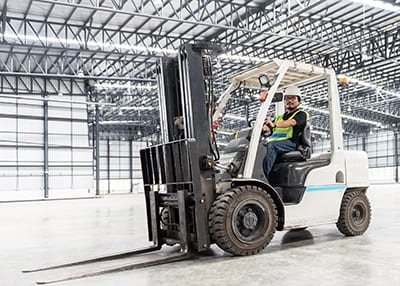
Counterbalance Forklift Training
Training for the most widely used forklift type, covering safe operation, pre-use inspections, load handling, and manoeuvring in real workplace conditions.
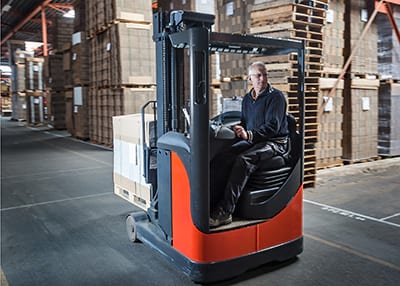
Reach Truck Training
Training focused on warehouse operations, including safe manoeuvring, pallet placement in racking, and working efficiently in narrow aisles.

Telehandler Training
Training for telehandlers used in construction and industrial settings, covering safe operation, load placement, stability, and working safely on uneven ground.
Looking for something else? View all our forklift training courses.
Training Built Around Real Workplace Operations
On-site forklift training delivered at your premises using your equipment and working environment - designed around real workplace operations, not just passing a test.
We focus on practical operator competence, safe working practices, and structured training that transfers directly into day-to-day workplace operations.