Certification Doesn’t Equal Competence
It’s a common assumption in many workplaces: if someone has a certificate, they must be competent.
In the forklift industry, that assumption creates real problems. Managers believe completing a course automatically produces a capable operator. Operators think a piece of paper means they’re ready for anything. Businesses assume that meeting the minimum standard equals safety. None of those beliefs hold up in practice.
This training and certification guidance explains what training genuinely achieves, where it falls short, and how to ensure your operators aren't just certified, they're genuinely competent.
Key Takeaways
- A forklift certificate shows training has taken place, not that an operator is competent.
- Competence is built through basic, specific, and familiarisation training in the workplace.
- Employers are responsible for ensuring operators remain competent, not simply certified.
- The same operator may perform differently in different workplace environments.
- Competence must be monitored, reinforced, and maintained over time.
- Real-world performance matters far more than paperwork alone.
Understanding What Competence Really Means
The word "competence" is used frequently in health and safety guidance, but it's often misunderstood. This section explores what competence actually looks like in practice, how it develops, and why certification alone is only part of the story.
Certificates Are Paper, Not Proof
The industry is flooded with certificates. Counterbalance forklifts, reach trucks, telehandlers; there’s a course for everything. They all come with logos, dates and signatures. They look official, and for many businesses that alone creates a sense of reassurance.
But here's the reality: a certificate only confirms successful completion of training. It doesn’t show that they understand risk, can stay calm under pressure, or can operate safely in the environment you work in.
That’s why this section doesn’t focus on the certificates themselves. It looks at the gaps behind them: the difference between attending, learning and genuinely applying that learning on the job.
The Three Stages of Training (What Actually Matters)
Proper forklift training isn’t a single event. It’s a structured process, and if any part of it is missing, competence suffers.
It breaks down into three stages:
1. Basic Training - This is the foundation. Operators learn how to use the truck safely: controls, stability, load handling and the core principles that underpin safe operation. Good habits start here, and bad ones can start here too.
2. Specific Training - This bridges the gap between the classroom and your workplace. It focuses on the actual truck being used, the loads and attachments being handled, and the conditions on site. This is where generic knowledge becomes relevant to your environment.
3. Familiarisation Training - This takes place in the real working environment. The operator applies what they have learned under normal conditions, with supervision, until they can work safely and confidently on their own.
A certificate cannot compensate for missing specific or familiarisation training. Competence depends on all three stages being completed properly.
Too many businesses stop at basic training, hand over a certificate and assume the job is done.
It isn’t. Without specific and familiarisation training, operators are left to figure things out themselves, and that is where standards begin to slip.
Training Isn’t One-Size-Fits-All
A standard course is just that: standard. Your workplace isn’t.
Different sites bring different risks. Narrow aisles, uneven ground, mixed traffic, unusual loads and time pressure all change how an operator needs to work. None of that is fully covered in a generic training environment.
Competence is contextual.
An operator who performs well in a training yard can still be a risk in a busy warehouse or construction site if the training hasn’t been carried through properly.

Competence Goes Beyond Operating the Truck
Competence isn’t just about moving a forklift from one place to another.
It includes recognising hazards, following safe systems of work, communicating clearly with others and making sensible decisions when conditions change.
A competent operator understands the limits of their ability, knows when to stop and isn’t afraid to ask questions or seek guidance when something doesn’t look right.
These qualities are what prevent incidents long after a training course has finished. They are developed through experience, supervision, reinforcement and a workplace culture that values safe working practices over shortcuts.
This is why certification alone doesn’t guarantee competence. A certificate confirms that training has taken place, but real competence is shown through day to day behaviour, judgement and consistently safe working practices.
What Really Matters in Certification
If you strip it back, the certificate itself isn’t the important part. What matters is whether the operator can actually perform safely when it counts.
That comes down to their ability to:
- Assess risk as situations change
- Handle unexpected problems without panic
- Use equipment correctly and consistently
- Follow the workplace's safe systems of work
- Communicate clearly with others on site
These are the things that prevent accidents, and they are exactly the things a certificate cannot guarantee.
"Competence isn't something you print.
It's something you prove."
The Employer’s Responsibility
This is where many businesses get it wrong. They treat certification as a handover point. Once the certificate is issued, responsibility somehow shifts to the operator.
It doesn’t.
Employers are responsible for ensuring operators are competent, not just certified. That means completing all three stages of training, monitoring performance and maintaining standards over time.
If someone is working unsafely, the question will not be “did they have a certificate?” It will be “why were they allowed to operate like that?”
This is why competence must be monitored, reinforced and maintained long after training has finished.
Beyond Compliance
There is a difference between meeting legal requirements and actually running a safe operation.
Plenty of businesses meet the minimum standard on paper. Far fewer make sure those standards are reflected in day to day work.
Certificates are easy. Competence takes time, effort and attention. But it is that investment that prevents incidents, protects staff and avoids the kind of situations that lead to serious consequences, both human and legal.
Why This Section Matters
Training and certification are important, but only when they are approached properly. A certificate on its own doesn’t make someone safe, and it doesn’t protect your business.
Real competence comes from structured training that is applied correctly, reinforced over time and supported by proper supervision and standards. It has to be demonstrated consistently, not assumed because a course has been completed.
This training and certification guidance explains what training genuinely achieves, where it falls short, and how to ensure your operators aren't just certified, they're genuinely competent.
Because at the end of the day, competence isn’t something you print. It is something you prove, every single day on the job.
Written by Clinton Mitchell, ITSSAR-Accredited Instructor
Last updated: May 2026
Frequently Asked Questions
Latest Articles
The articles linked below explore the individual laws, duties, and enforcement powers discussed throughout this guide in more detail.
-
The 3 Stages of Forklift Training – What You Need to Know
A forklift certificate is only the beginning. Learn how the three stages of training work together to build workplace competence.

Training Courses We Deliver
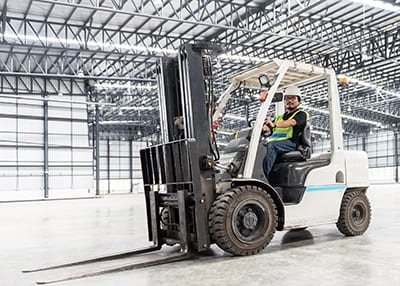
Counterbalance Forklift Training
Training for the most widely used forklift type, covering safe operation, pre-use inspections, load handling, and manoeuvring in real workplace conditions.
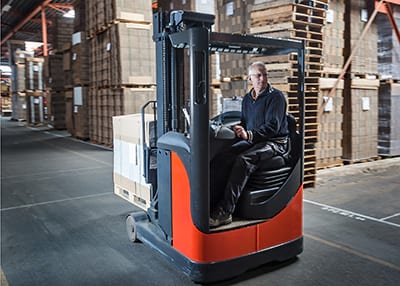
Reach Truck Training
Training focused on warehouse operations, including safe manoeuvring, pallet placement in racking, and working efficiently in narrow aisles.

Telehandler Training
Training for telehandlers used in construction and industrial settings, covering safe operation, load placement, stability, and working safely on uneven ground.
Looking for something else? View all our forklift training courses.
Forklift Training That Stands Up to Scrutiny
Structured, workplace-based training designed around real operational conditions.

On-Site, Relevant Training
Delivered at your premises using your equipment and working environment, helping operators develop practical skills in real workplace conditions.

ITSSAR-Accredited Standards
Training delivered to recognised ITSSAR standards, helping employers maintain properly structured workplace training and clear operator records.

Clear, Practical Instruction
Focused on safe working practices, operator understanding, and practical workplace operation - not just passing a test or ticking boxes.
Trusted by Businesses Across Hampshire and the South

I liked the break-up between the practical and theory. I learnt things that I hadn’t realised would be covered in the training.
RW, Droxford, Hampshire
Friendly, knowledgeable and was keen to answers any questions – brilliant instructor 10/10.
LH, Portsmouth, Hampshire
Want to see more? Check out our Google reviews.
Training Built Around Real Workplace Operations
On-site forklift training delivered at your premises using your equipment and working environment - designed around real workplace operations, not just passing a test.
We focus on practical operator competence, safe working practices, and structured training that transfers directly into day-to-day workplace operations.